


For gastritis, in addition to drug treatment, other treatments are also used - traditional treatment methods and dietary therapy.What should you eat during the gastritis diet to achieve the therapeutic effect?
General information about diet for gastritis
Treatment of gastritis is often complex and includes various diets in addition to medications.Diet is of great importance when it comes to gastritis, as dry food, snacks (hot dogs, pizza, etc.), irregular meals, foods that are too cold or too hot, and large amounts of condiments can make gastritis worse.
Gastroenterologists prescribe dietary and medication treatments for gastritis based on the type of disease, disturbing symptoms, and what's causing the flare-up.Patients may experience symptoms such as pain, heaviness and burning in the upper abdomen, bloating, hunger after eating, belching, vomiting, increased salivation, loss of appetite, and indigestion.
The diet for gastritis, especially in the acute stage, should not contain foods that irritate the stomach.What eating habits should you follow?The prescribed diet depends on the severity of the patient's exacerbations (flares); in addition, the type of diet depends on the level of stomach acidity.
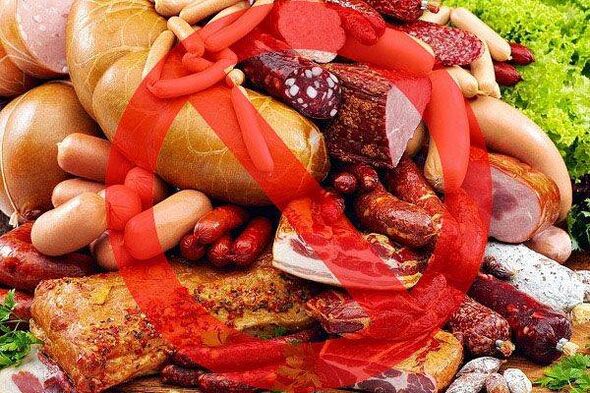
If you have gastritis, eliminate the following types of foods from your diet:
- any broth;
- animal fats;
- Fried, spicy food;
- Bacon, any snacks;
- fatty meat and fish;
- pickled and pickled vegetables;
- Mushrooms (due to difficulty in digestion);
- Certain types of grains - corn, millet, barley, pearl barley;
- fresh berries;
- Fermented milk drinks, sour cream;
- Some vegetables and seasonings - onions, garlic, radishes, daikon, cabbage;
- Vinegar, ketchup, mayonnaise, pepper, spices, sauces;
- Certain types of beverages - espresso, tea, carbonated drinks, undiluted verjuice.
During the exacerbation of the disease, dietary nutrition promotes the remission of the disease, therefore, foods that strongly affect secretion and act as stimulants are excluded from the diet.
Products that irritate mucous membranes
Mechanical irritation is caused by:
- Plenty of tables;
- Consumption of cartilage, sinew, and poultry skin;
- Consume large amounts of crude fiber, which is found in beans, radishes, raisins, currants, grapes, gooseberries and bran bread.
Fried foods have the greatest mechanical effect on the gastric mucosa.To a lesser extent, this effect is produced by baking dishes in the oven or using a double boiler.
Chemical irritation is caused by products from the following list:
- broth, vegetable and mushroom soups;
- various spices;
- canned food;
- Fried and smoked foods (meat and fish);
- pickled, pickled, pickled vegetables;
- boiled eggs;
- ketchup;
- Rye bread, cakes, pastries made from butter dough - pies, pastries, tarts, biscuits;
- fermented dairy products;
- unripe sour fruit;
- Certain types of raw vegetables - onions, garlic, radishes, turnips;
- Certain types of beverages - espresso, tea, alcoholic beverages and carbonated drinks.
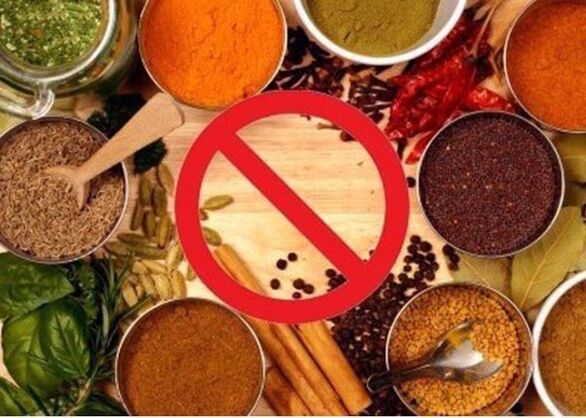
The chemical effects of food on the gastrointestinal tract can be manifested by the extracts, organic acids, salt, water-soluble sugars and essential oils present in it.
Thermal irritation is caused by very hot or very cold foods - dishes with temperatures below 15° and above 57-62°C are irritating, and cold meals on an empty stomach can increase intestinal motility.The most acceptable food temperature is around 37-38°C.
The choice of diet depends on its quality composition, the method of culinary processing of the product (heat treatment - frying, boiling, steaming, baking) and the degree of grinding.
Moderate diet and fasting
A moderate diet, in addition to eliminating irritants, should also implement small and frequent meals, which is beneficial to the digestion and absorption of food.It is best to eat pureed, warm, non-coarse dishes with a juice-like effect - milk, milk porridge, eggs, boiled lean fish, steamed meat.
Sometimes, it is considered advisable to fast because the consumption of any food leads to increased secretion of hydrochloric acid.After a short period of fasting, the acidity of the stomach decreases, as does the production of saliva, bile, and peristalsis.
The greatest effect of fasting days is observed during exacerbations of the disease, when complete refusal to eat alternates with the consumption of bland foods.With this eating arrangement, toxins and waste products are flushed out of the body faster.But fasting also has contraindications - it is not suitable for severe weight loss, anorexia, pregnancy, and should not be used on children.
Fasting should not begin with a complete rejection of food.First, they switch to a bland diet (such as kefir) for 5 days and then switch to fasting.
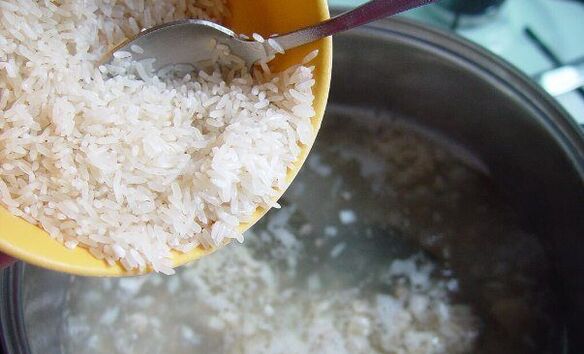
There are two options for fasting: the first option (dry fasting) prohibits drinking water, and the second option allows drinking mineral water or simple boiled water.You can drink light tea the next day and continue for 4-5 days.Ending the hunger strike starts with eating rice water and cereal.They then began eating a liquid porridge of oatmeal, rice and semolina cooked in water or a small amount of milk.There are benefits to eating mucus soup or grain soup during the day.Consumption of fresh vegetables and fruits is not included.
separate food
Nutritional choices when the diet does not allow for the simultaneous intake of fat, protein, and carbohydrates are called separate meals.For example, meat should not be eaten with starchy and green vegetables.Green vegetables pair well with many foods: fats, proteins, grains.Eat confectionery products (flour) and sugar separately from all foods to avoid fermentation, burping and heartburn.
By adhering to the principle of separated nutrition, you can normalize the digestive and metabolic processes in the body and lose weight.Foods in the right combination are absorbed faster, do not cause fermentation, and do not form toxic substances in the blood.
Food output speed
To facilitate digestion and elimination of food from the body, it is not recommended to consume liquid and solid food at the same time.Liquid and paste foods leave the stomach faster than solid foods, so it is recommended to increase the rate at which food passes during dieting.
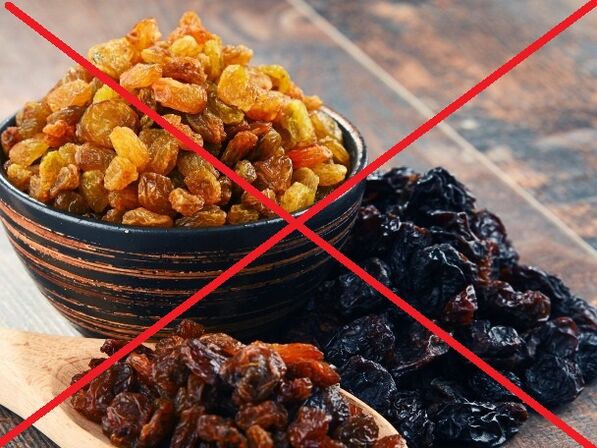
Prunes and raisins stay in the stomach particularly long; if gastritis worsens, they are not recommended for the first few months.
It also affects how quickly food moves and its type—protein, carbohydrate, or fat.Carbs leave the body the fastest, followed by protein, and only fat stays the longest.Fat has little effect on gastric juice production, but it increases the time food stays in the stomach because fat is difficult to break down—the longer food stays in the stomach, the stronger the hydrochloric acid released.During the exacerbation of the disease, it is recommended to avoid fat.
purpose of diet
Many factors are considered when developing a dietary regimen, including concomitant diseases of the gallbladder, pancreas, and intestines.If you are prone to diarrhea, prescribe Diet No. 4; if you have symptoms of chronic cholecystitis or pancreatitis, prescribe Diet No. 5 (except whole milk and reduce fresh vegetables and fruits).The duration of the diet is also selected individually.The strict diet prescribed in the acute phase is maintained for 1-2 months.But the basic rules of proper nutrition must be followed for many years.
The prescribed diet also depends on the form and course of the disease.If you suffer from acute erosive (ulcerative) gastritis and chronic gastritis exacerbation, you should strictly control your diet; the diet should be slightly expanded during the remission period.Any type of gastritis (superficial gastritis, hypertrophic gastritis, subatrophic gastritis, proliferative gastritis, hemorrhagic gastritis, catarrhal gastritis, focal gastritis, mixed reflux gastritis, etc.) is strictly prohibited from drinking, smoking, greasy, fried and spicy food.
In gastritis, the goal is to restore the normal activity of the stomach, regenerate the affected mucosal areas, and normalize the acidity and activity of digestive enzymes.
What can you eat if you have acute gastritis?
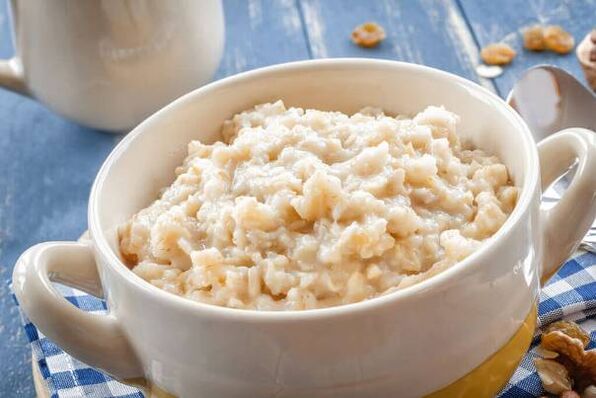
For acute gastritis, it is recommended not to eat on the first day; you can drink tea and mineral water.From the 2nd day, you can include in your diet: liquid porridge (preferably oatmeal), mashed potatoes (liquid with water), half-boiled eggs, jelly.A strict diet is required during an attack; as symptoms subside, the diet may be expanded.If the acidity is low, it is recommended to eat more foods that help secrete hydrochloric acid; if the acidity is high, it is vice versa.
| calm stomach | their behavior is irritating |
| Still mineral water, light tea | Alcoholic beverages and carbonated drinks |
| Light vegetable soup | Coffee, cocoa (low fat) |
| Porridge | pickle |
| cooked lean meat and fish | All fried, pickled and smoked dishes |
| Mashed vegetables (potatoes, rutabaga, carrots, cauliflower) | Thick broth |
| cottage cheese | Canned food, condiments |
| fresh white bread | brown bread |
| sugar | Eggs (yolk only) |
Chronic gastritis diet
In this case, diet No. 2 is prescribed.The ingredients of food should be diverse; the diet should contain foods that stimulate gastric juice secretion and increase appetite. The appetite of such patients will be reduced.
Products allowed and prohibited for chronic gastritis:
| allow | prohibit |
| Lean meat or fish, low-fat soup (meat or fish) | Fatty meat and fish |
| Soaked herring, caviar (black) | cold drink |
| Boil, stew, roast vegetables, herbs - dill, parsley | fresh bread |
| Fruit and vegetable juices, soft apples | pastry products |
| Soft-boiled eggs, cheese (mild), lean ham | lots of grapes or cabbage |
| Stale rye bread | Salty and spicy dishes |
| Add water or a little milk to make a gruel | milk |
Since patients with this type of gastritis often do not tolerate milk well, it is recommended to consume fermented dairy products (kefir, cottage cheese, yogurt) - fresh as well as casseroles or puddings.
Dietary characteristics of low-acid gastritis
You should eat at least 5 times a day.Continue therapeutic nutrition for 2-3 months after the acute phase.It's good to supplement your diet with vitamin and mineral supplements.
In this case, at the beginning of the exacerbation, a strict diet is followed, the purpose of which is to reduce the exacerbation.After that, they begin to stimulate the secretion of gastric juices.A low-acidity diet is diet number 2.
Table of permitted and prohibited products for low acidity (hypoacidic gastritis):
| allow | prohibit |
| Rabbit, chicken, meatballs, meatballs, steaks and other lean meats | Fried food, baked goods |
| Lean fish, fish soup | alcoholic beverages |
| Broths, soups - vegetables, fruits, peas | Salty and spicy dishes and seasonings (horseradish, pepper, mustard, garlic) |
| Pureed vegetables, stews, beet salad, carrots, potatoes, zucchini (except spinach and sorrel) | mushroom |
| Sour cream, kefir, milk, cottage cheese, cheesecake, diluted cream, a little butter, light cheese, steam fried eggs, soft-boiled eggs | Rough, sticky, fatty, pork |
| Fruit juices (excluding grape juice), preserves, rosehip soup, blackcurrant berries | Raw vegetables, including radishes, turnips, onions, fresh cucumbers, bell peppers, rutabaga, cabbage; pickles |
| Light tea (with milk), lemonade and sugar | Grape juice and whole grapes, prunes, raisins |
| White biscuits, dry biscuits | Fresh bread, pastries and pastries |
| Porridge | Smoked products (meat and fish) |
| aspic | milk |
| Sweet berries (raspberries, strawberries) and fruit purees; jams, preserves, jellies | Legumes, grains – pearl barley, corn, barley, millet |
| pasta | Okroska |
It is recommended to drink mineral water 20-30 minutes before meals.
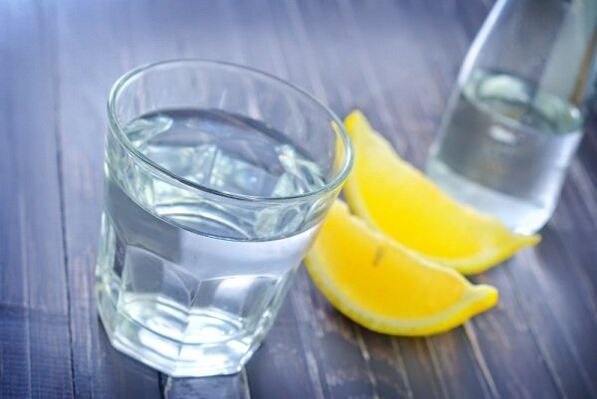
The diet lasts about 3 weeks, it all depends on how you feel.After reducing inflammation, you can gradually begin to stimulate the production of hydrochloric acid - cook a thicker broth, sometimes have a pickle or a piece of herring for lunch, you can eat a sandwich with grainy caviar.To stimulate the production of gastric juices, you should drink lemon juice diluted with water (0.5 cup) half an hour before meals.
Fried foods are allowed, but not breaded.It is beneficial to start taking herbal bitters - they can increase appetite and taste.Drinking kumis facilitates secretions; drinking kvass is not harmful, but you should not get carried away, as it promotes the process of gas formation.You can also drink coffee, but no more than 1 cup per day.
Additionally, the diet was expanded to allow cocoa, kefir, and strong tea.If you feel well, the diet will expand after a few months - you can eat almost anything, but you should not overdo it with salt, spices, cabbage and grapes.Hot dishes must be served for breakfast and lunch.
Example menu for exacerbation of gastritis:
- breakfast– Light tea with milk and oatmeal;
- second breakfast– Apple (baked);
- Lunch– Candied fruit, steamed pork chop with buckwheat porridge, meatball broth;
- dinner– Vegetable puree, cheese (can add jam);
- Before going to bed:A cup of kefir with white crackers.
Hyperacidity diet
With high-acid gastritis, you need to eat small, frequent meals at specific times, 5-6 times a day.It's important to chew your food thoroughly - crushed food doesn't damage the mucous membranes, and more gastric juices and saliva are produced during chewing, which helps digest food.All dishes should be seasoned and salted as little as possible.
The diet for the first few weeks is almost the same as a low-acid diet.The difference is that with high acidity gastritis, consuming more dairy and milk can help normalize the high acidity.
If milk causes bloating or diarrhea, you can dilute it - drink it, add it to tea.If that doesn't help, use a thick soup instead.
All food should be mashed, heated, and chopped.After a few weeks, after a strict diet, add foods that have little effect on gastric juice synthesis.The principle of eating small and frequent meals is also retained.The diet should be rich in protein to restore stomach cells.
For high-acid gastritis, Diet 1 is recommended (good for weight loss).Then - diet 1A for up to 10 days, after that - diet 1B and No. 1 (for up to several months).
List of allowed and prohibited products:
| allow | prohibit |
| Lean meat: rabbit, chicken, pigeon meat.Dishes made from them, boiled or steamed in water, in the form of meatballs, cutlets, soufflés | Spicy, smoked and fried dishes (or baked in crust - grill), sausages, sausages |
| Low-fat fish – hake, pink salmon, cod and other seafood | Rich meat and fish soup |
| Pureed, grated vegetables - peas, potatoes, beets, carrots; fresh cabbage juice | Coffee, tea, carbonated and alcoholic beverages, kvass, beer |
| Jelly, jellies, purees (strawberries, raspberries, apples) | Cranberries, tart fruit or citrus juice |
| Porridge boiled in water - semolina, rice, oatmeal | Tomatoes, garlic, onions, radish, carrots, peppers, cabbage |
| milk, fresh cheese | mustard, ginger |
| Steamed omelettes, soft-boiled eggs, milk, cream, fresh cheese, casseroles made from them | Beans, chocolate |
| Thick soup with pureed cereals, milk porridge with various cereals (except millet) | Marinades, pickles, seasonings, salt |
| white bread cookies | fermented dairy products |
| sugar, honey | coffee, alcoholic beverages |
| Rosehip soup with sugar, tea (with milk or cream) | brown bread |
One hour before meals, it is recommended to drink Borjomi alkaline mineral water (1 cup).
Dried biscuits can be substituted for fresh brown bread.It is recommended to add vegetable oil to dishes to accelerate the healing process of mucosal damage caused by such gastritis.
Deterioration menu:
- Breakfast - steamed eggs, pure milk porridge (oatmeal), milk tea;
- Second breakfast - milk and biscuits;
- Lunch - Potato and carrot soup, steamed pork chop with mashed potatoes, jelly side dishes;
- Afternoon snack - a glass of milk.
- Dinner - boiled fish with carrot and beet purée side dishes, milk tea;
- In the evening - a glass of milk.
food recipes
To make preparation easier, they created a rough menu of dietary dishes for the week, taking into account the allowed foods.The slow cooker is very convenient when preparing dishes and adheres to the rules of gentle cooking methods.
Use mucus decoction for worsening symptoms and pain.Milk soup is used in diets 1A and 1B.More commonly, these grain soups are diluted with milk and water (1:1).The puree is made from grains, potatoes and carrots, then everything is pureed and mixed with a little oil.
When preparing main courses, it is best to use cooking (steaming or water bath).This is how omelettes, puddings, sauces, etc. are made.Cut the meat into small pieces and boil it (to remove the extract from it), then drain the broth and cook the meat in new water.
Examples of recipes for foods allowed during dieting:
first course
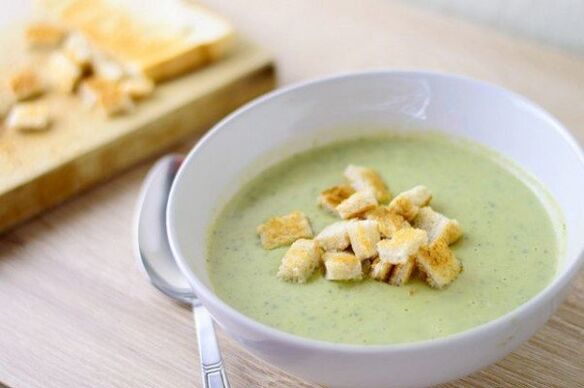
Dill Cream of Pumpkin Soup
Boil the zucchini and potatoes and blend in a blender.Bring to desired texture with vegetable stock, salt, cream and chopped dill.
Chicken Mince (Breast) and Creamy Pureed Rice Soup
Grind the cooked chicken tenders in a blender.Mix the puree with rice water, add a little salt and bring to a boil.Cool the soup to 70°C, add the egg cream mixture and stir.
Second course:
turkey steak
Salt the chopped turkey and add wheat bread soaked in butter and milk.Form into fillets and steam.
Delicious Dietary Desserts:
Apple Rice with Rice
Cook rice porridge and add grated apple, egg yolks and sugar.Beat mixture and add pre-whipped egg whites.Place in the mold and steam for at least half an hour.The finished pudding is topped with jelly.
Curd Soufflé
Stir in cheese, egg yolks, semolina, milk and cream.Add the whipped egg whites to the mixture and mix gently.The resulting mass is steamed.